There is something almost seductive in „rumination”. It makes you feel like you’re participating. That you’re managing things. That, if you think long enough, you might be able to keep the perspective under control.
We resume conversations. We build scenarios. We mentally negotiate scenarios of the imaginary future in absent dialogues. Without realizing it, we become surprisingly „efficient” in managing situations that do not exist… yet.
The challenge is that most of this mental activity is consumed in the wrong place. Somewhere between anxiety and responsibility, we end up investing enormous amounts of time and energy without giving it another thought. „Meaning” of a „Something” what is tearing apart under our eyes.
The distance between them can be a simple concentric structure of the «Attachment»:
Circle 1 — What you control
Your actions. Your reactions. Your effort. Your decisions.
Circle 2 — What you can influence
Relationships. Conversations. Directions. Results.
Circle 3 — What you don’t control
Other people. The past. The future. Time. The way you are interpreted. The fact that life sometimes refuses to follow the script negotiated in your mind.
Ironically, it is precisely here that the majority of Overthinking occurs.
Overthinking is rarely about clarity… more often, it is about resistance. It becomes a sophisticated attempt to negotiate with uncertainty.
Not because we like to suffer. But because the real vulnerability is much more uncomfortable to accept and integrate than the illusion of control.
This is how we end up confusing mental effort with responsibility. To believe that if we keep a problem in our mind enough, we also have the power to control it. If we give it a purpose „noble”, It is absolutely necessary to „unquestioned”.
But as we invest more and more energy in Circle 3, We become increasingly less available to Circle 1— the only place where there is still a real possibility of movement.
This is where depletion also appears: when emotional consumption and real influence no longer have any connection between them.
Not every outcome belongs to us. Not every discomfort needs to be resolved immediately. And not every uncertainty requires a new plan.
Sometimes, clarity starts with a much simpler question:
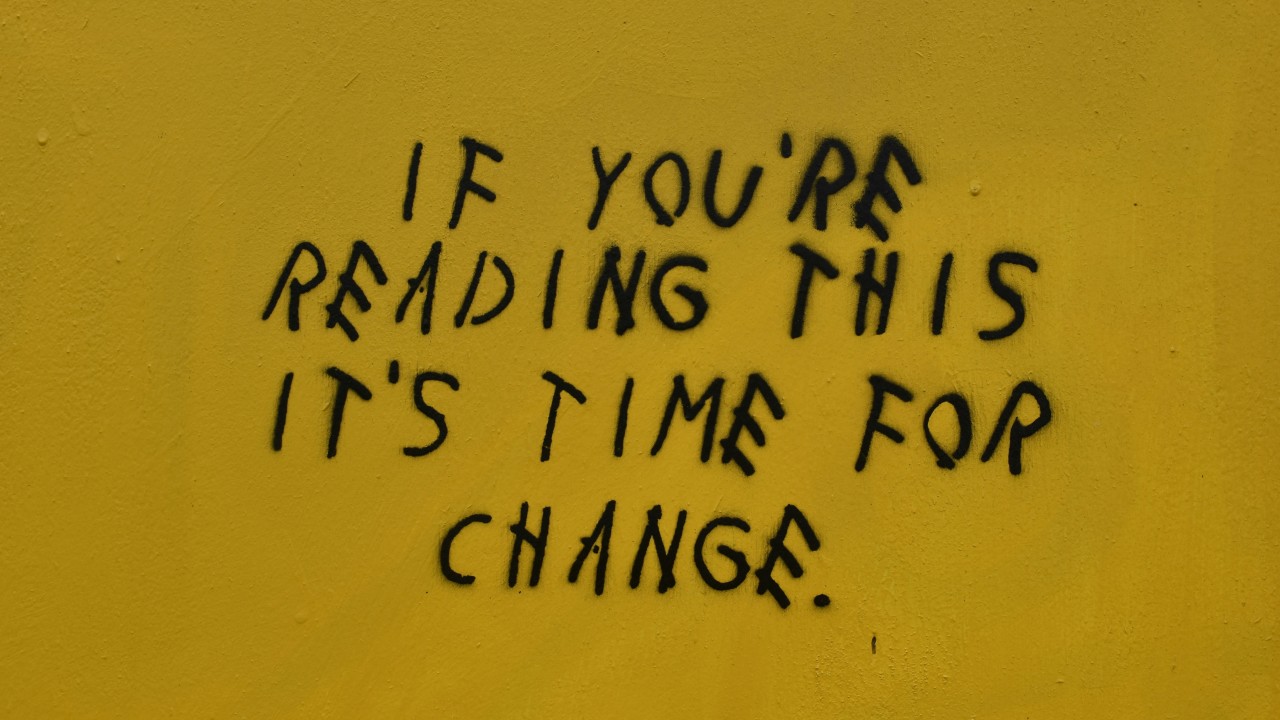
„Am I trying to act… or am I just trying to resist change?”
Sometimes, the smartest thing we can do is stop „muting the seats on the Titanic”….
Let us have the courage to look at the ocean.