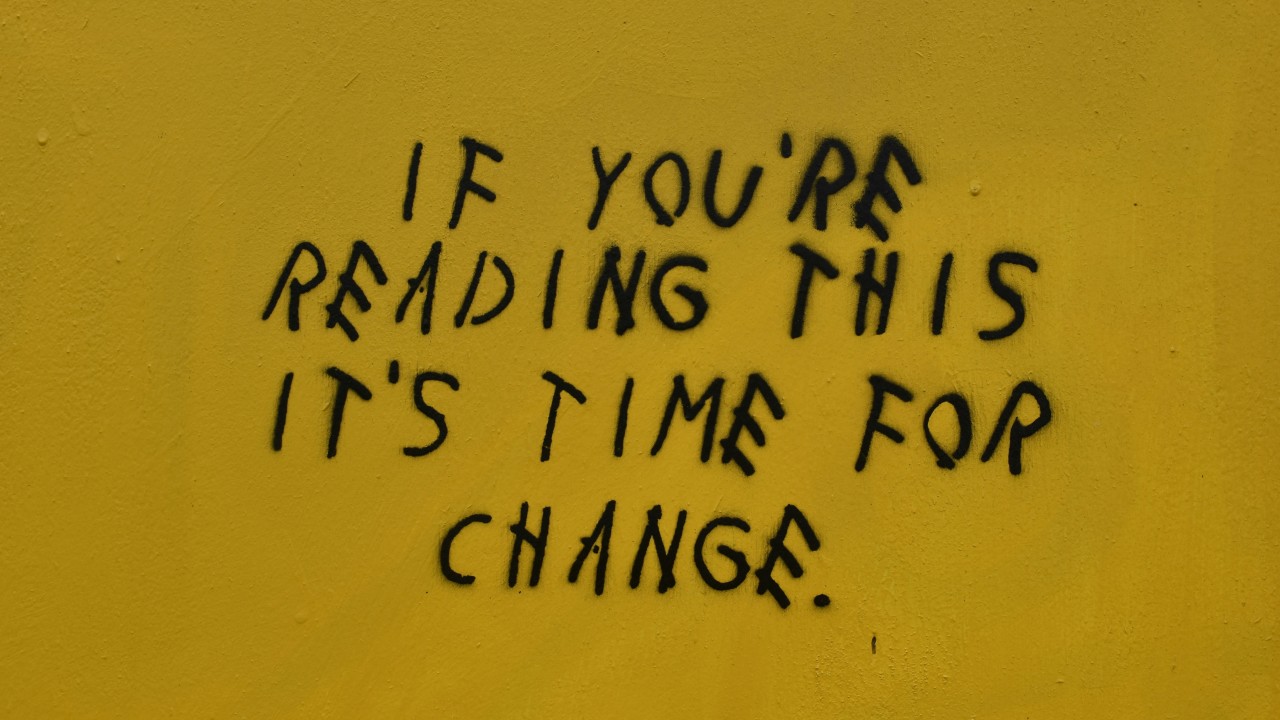
Why is language not just a means of communication, but also a means of self-disclosure of the energy engine from which I am activated?
Each of us uses hundreds or thousands of words every day to describe people, situations, relationships, challenges, or our own journey. And yet, we rarely notice that the language we use often says more about us than about what we are describing … about the silence and pauses we need in conversation.
We unconsciously reveal parts of our inner world and the way we relate to ourselves, to others, and to life in conversations.
Words are not neutral. They are the expression of the form in which energy, intention, and emotion are directed.
When we „hurt” others, it’s rarely just about them. They carry some of our own wounds, unresolved conflicts, and places where we still struggle with ourselves or find it difficult to see ourselves clearly. Most of the time, we defend ourselves against our own thoughts.
Authenticity does not come only from choosing the „right” words; it does not come from communication techniques or learned formulas. Authenticity comes from the coherence between what we think, what we feel, and what we express. When this coherence exists, words become carriers of a different energy.
Less about impression, about defense or the need for validation. More about the truth from which I have learned to interpret safety, love, rejection, success or failure.
When words authentically support, encourage, or create space for the other, they also show our ability to offer ourselves the same kind of presence. That we are prepared to understand the emotion and the space from which it comes with compassion.
Words carry emotional energy, they carry memory, they carry history, and not necessarily in their conscious form. Often we believe that we choose the words. However, to an equal extent, words also choose us: what we say, how we say it, what we repeat and what we avoid.
Where expressions like „must”, „I have no choice”, „always”, „never”, „can't”, „I am forced” appear constantly, or on the contrary: „choose”, „prefer”, „explore”, „learn”, „try”.
In many ways, language becomes a dictionary of emotions, a discreet map of constructed beliefs. Language is a footprint, a trace left by the way we learned to exist in the world. And when we become attentive to our own language, we often discover something surprising:
We not only describe reality; we actively participate in its construction and in our own form of self-knowledge.
Perhaps each of us carries an invisible dictionary, built from experiences, relationships, losses, hopes, and meanings. Before we try to change our lives, it may be worth observing the language through which we tell it.
… and thus, the real question becomes:
„If that wasn’t what I wanted to say, then what exactly was it that I was saying?”